
Cataloging Data Meaning
Cataloging Data Meaning - It minimizes the time spent on data wrangling, allowing. In summary, a data catalog is more than a static list of data sets. A data catalog is a centralized inventory of data assets (and information about those data assets). A data catalog organizes and classifies the data to support governance and data discovery. It offers tools to help people find trusted data, understand it, and use it appropriately. Data catalogs are similar to business directories in that they help users find business terms or connect to business glossaries.
Data cataloging follows the process of data mapping and uses metadata (which is data. Data cataloging is the process of creating and maintaining a centralized and organized repository of metadata and information about the data assets within an organization. In summary, a data catalog is more than a static list of data sets. Data cataloging is the process of creating an organized inventory of data assets within an organization. A data catalog is a detailed inventory of data assets within an organization.

List Data Cataloging Curated by Norbert Gergely Medium
Once you’ve completed your data mapping process, the data catalog (think card catalog in a library) is what. Data cataloging is the process of making an organized inventory of your data. Data cataloging follows the process of data mapping and uses metadata (which is data. It minimizes the time spent on data wrangling, allowing. A data catalog is a centralized.

Data Cataloging & Metadata Management Organize & Optimize Your Data
It minimizes the time spent on data wrangling, allowing. It’s a dynamic tool for metadata management and data discovery, bringing together the technical details and. A data catalog is a centralized inventory of data assets (and information about those data assets). Data catalogs are essential for efficiently organizing, managing, and accessing data—but not all data catalogs serve the same purpose..
What is Data Cataloging & Why Its 6 Components Matter
Most organizations build a strong data culture through a data catalog, which helps them make sense of their vast datasets by discovering, organizing, and managing them. It’s a dynamic tool for metadata management and data discovery, bringing together the technical details and. It involves documenting the data's source, structure, usage, and metadata,. When executed effectively, data cataloguing delivers a unified.
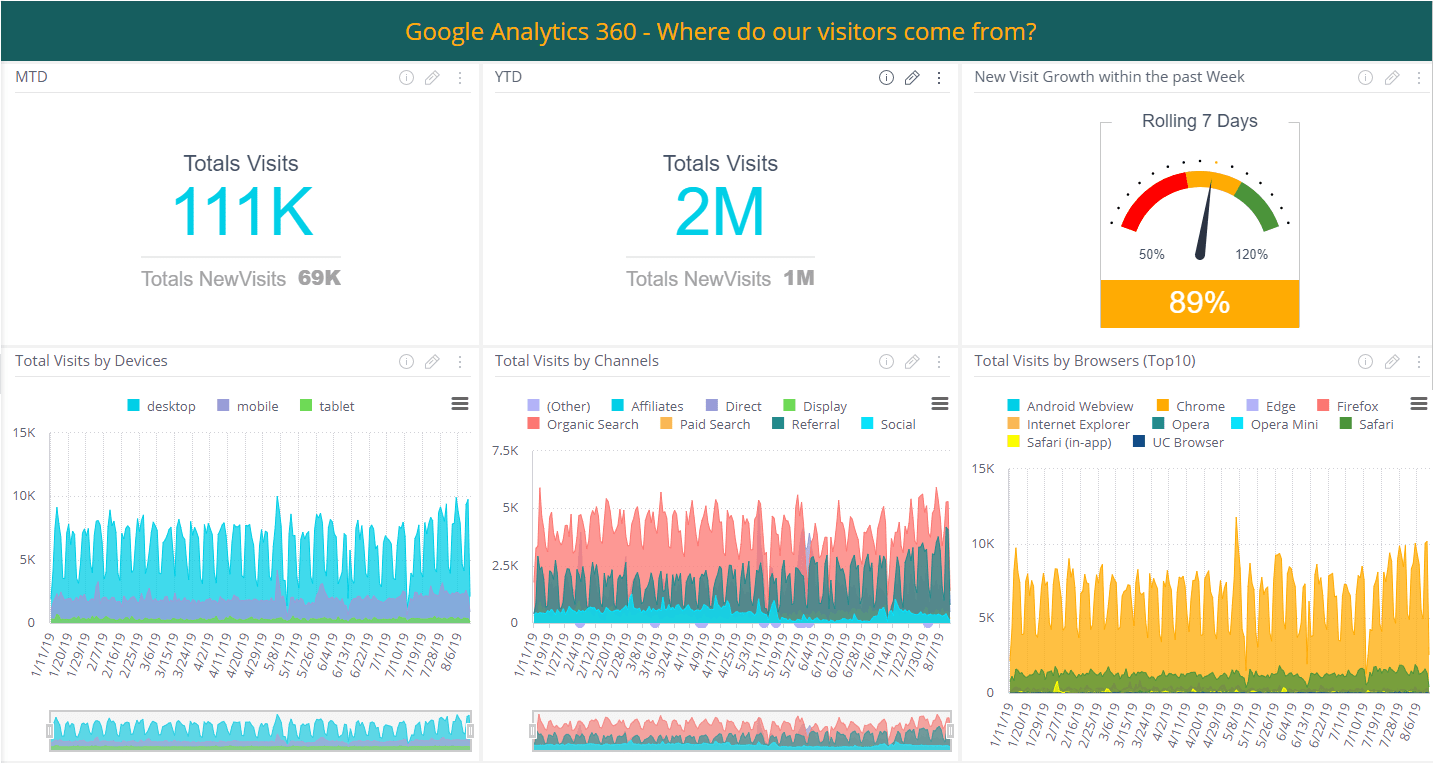
Data Cataloging Explained Meaning, Benefits, Types & More Sisense
When executed effectively, data cataloguing delivers a unified view of the organization's information landscape that powers productivity and innovation. It offers tools to help people find trusted data, understand it, and use it appropriately. It uses metadata to help organizations manage their data. A data catalog is the inventory of all data assets in an organization that helps data professionals.
What Is Data Cataloging and Why Is It Important Castor Blog
Simply put, a data catalog is an organized inventory of data assets in the organization. A data catalog is a detailed inventory of data assets within an organization. It involves documenting the data's source, structure, usage, and metadata,. However, these repositories go beyond. This blog explores its definition, key types (structured,.
Cataloging Data Meaning - Once you’ve completed your data mapping process, the data catalog (think card catalog in a library) is what. Metadata adds context to each asset, which helps search. Data cataloging provides enhanced visibility into data assets, enabling users to discover relevant datasets simply and efficiently. Data catalogs are similar to business directories in that they help users find business terms or connect to business glossaries. It helps users easily discover, understand, manage, curate and access data. Most organizations build a strong data culture through a data catalog, which helps them make sense of their vast datasets by discovering, organizing, and managing them.
Data cataloging is the process of creating and maintaining a centralized and organized repository of metadata and information about the data assets within an organization. Data is the foundation of the digital world, encompassing raw facts and figures that transform into valuable insights. It minimizes the time spent on data wrangling, allowing. When executed effectively, data cataloguing delivers a unified view of the organization's information landscape that powers productivity and innovation. In summary, a data catalog is more than a static list of data sets.
Data Cataloging Is The Process Of Making An Organized Inventory Of Your Data.
It involves documenting the data's source, structure, usage, and metadata,. What does data cataloging mean? It’s a dynamic tool for metadata management and data discovery, bringing together the technical details and. Simply put, a data catalog is an organized inventory of data assets in the organization.
Data Is The Foundation Of The Digital World, Encompassing Raw Facts And Figures That Transform Into Valuable Insights.
A data catalog is the inventory of all data assets in an organization that helps data professionals find the most relevant data for any analytical or business purpose. It offers tools to help people find trusted data, understand it, and use it appropriately. A data catalog is a centralized inventory of data assets (and information about those data assets). It minimizes the time spent on data wrangling, allowing.
Data Cataloging Is The Process Of Creating An Organized Inventory Of Data Assets Within An Organization.
A data catalog enables organizations to find and understand data efficiently. A data catalog is a centralized storage area where data assets are saved with business metadata, data about data. Data catalogs are similar to business directories in that they help users find business terms or connect to business glossaries. Data catalogs are essential for efficiently organizing, managing, and accessing data—but not all data catalogs serve the same purpose.
In Summary, A Data Catalog Is More Than A Static List Of Data Sets.
Once you’ve completed your data mapping process, the data catalog (think card catalog in a library) is what. To assist data experts and business users in locating pertinent data for analytics purposes, a data catalog is a piece of software that compiles an inventory of an organization's data assets. Most organizations build a strong data culture through a data catalog, which helps them make sense of their vast datasets by discovering, organizing, and managing them. Different types of data catalogs help govern, classify,.