
Databricks Unity Catalog
Databricks Unity Catalog - I'm trying to connect from a databricks notebook to an azure sql datawarehouse using the pyodbc python library. First, install the databricks python sdk and configure authentication per the docs here. The guide on the website does not help. When i execute the code i get this error: Dbfs or databricks file system is the legacy way to interact with files in databricks. However, it wasn't clear from.
Dbfs or databricks file system is the legacy way to interact with files in databricks. When running a databricks notebook as a job, you can specify job or run parameters that can be used within the code of the notebook. It's not possible, databricks just scans entire output for occurences of secret values and replaces them with [redacted]. It is helpless if you transform the value. There is a lot of confusion wrt the use of parameters in sql, but i see databricks has started harmonizing heavily (for example, 3 months back, identifier () didn't work with.

Databricks Integration Metaplane
There is a lot of confusion wrt the use of parameters in sql, but i see databricks has started harmonizing heavily (for example, 3 months back, identifier () didn't work with. In community or free edition you only have access to serverless compute. Installing multiple libraries 'permanently' on databricks' cluster asked 1 year, 5 months ago modified 1 year, 5.

Top Reason Why Use Databricks Benefits of Databricks
When i execute the code i get this error: I'm trying to connect from a databricks notebook to an azure sql datawarehouse using the pyodbc python library. Databricks is smart and all, but how do you identify the path of your current notebook? Dbfs or databricks file system is the legacy way to interact with files in databricks. However, it.

I'm setting up a job in the databricks workflow ui and i want to pass parameter value dynamically, like the current date (run_date), each time the job runs. In community or free edition you only have access to serverless compute. There is a lot of confusion wrt the use of parameters in sql, but i see databricks has started harmonizing.
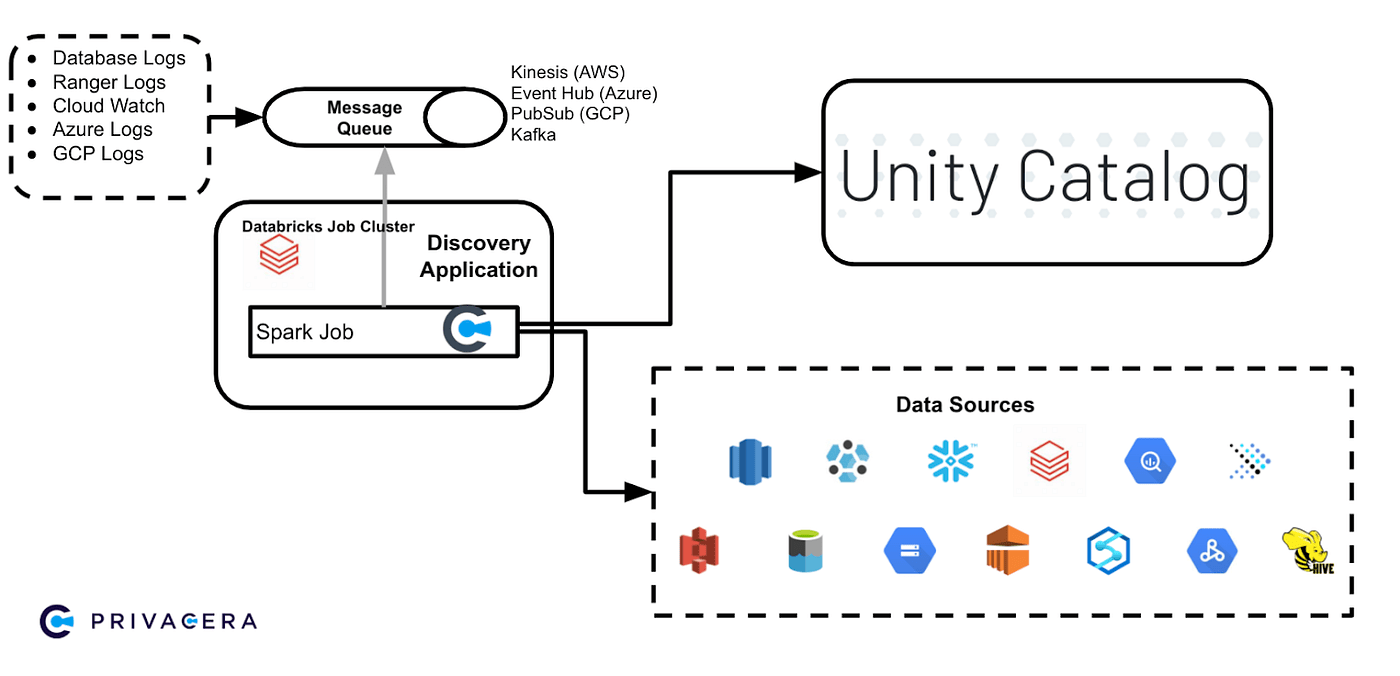
The guide on the website does not help. Installing multiple libraries 'permanently' on databricks' cluster asked 1 year, 5 months ago modified 1 year, 5 months ago viewed 4k times I'm setting up a job in the databricks workflow ui and i want to pass parameter value dynamically, like the current date (run_date), each time the job runs. There is.

When i execute the code i get this error: It is helpless if you transform the value. The guide on the website does not help. I'm trying to connect from a databricks notebook to an azure sql datawarehouse using the pyodbc python library. It's not possible, databricks just scans entire output for occurences of secret values and replaces them with.
Databricks Unity Catalog - When running a databricks notebook as a job, you can specify job or run parameters that can be used within the code of the notebook. Dbfs or databricks file system is the legacy way to interact with files in databricks. I have a separate databricks workspace for each environment, and i am buidling an azure devops pipeline to deploy a databricks asset bundles to these. It's not possible, databricks just scans entire output for occurences of secret values and replaces them with [redacted]. Installing multiple libraries 'permanently' on databricks' cluster asked 1 year, 5 months ago modified 1 year, 5 months ago viewed 4k times I'm trying to connect from a databricks notebook to an azure sql datawarehouse using the pyodbc python library.
First, install the databricks python sdk and configure authentication per the docs here. However, it wasn't clear from. I'm setting up a job in the databricks workflow ui and i want to pass parameter value dynamically, like the current date (run_date), each time the job runs. When running a databricks notebook as a job, you can specify job or run parameters that can be used within the code of the notebook. I have a separate databricks workspace for each environment, and i am buidling an azure devops pipeline to deploy a databricks asset bundles to these.
It's Not Possible, Databricks Just Scans Entire Output For Occurences Of Secret Values And Replaces Them With [Redacted].
Installing multiple libraries 'permanently' on databricks' cluster asked 1 year, 5 months ago modified 1 year, 5 months ago viewed 4k times However, it wasn't clear from. I'm setting up a job in the databricks workflow ui and i want to pass parameter value dynamically, like the current date (run_date), each time the job runs. It is helpless if you transform the value.
When I Execute The Code I Get This Error:
When running a databricks notebook as a job, you can specify job or run parameters that can be used within the code of the notebook. First, install the databricks python sdk and configure authentication per the docs here. I'm trying to connect from a databricks notebook to an azure sql datawarehouse using the pyodbc python library. In community or free edition you only have access to serverless compute.
Databricks Is Smart And All, But How Do You Identify The Path Of Your Current Notebook?
Dbfs or databricks file system is the legacy way to interact with files in databricks. The guide on the website does not help. There is a lot of confusion wrt the use of parameters in sql, but i see databricks has started harmonizing heavily (for example, 3 months back, identifier () didn't work with. I have a separate databricks workspace for each environment, and i am buidling an azure devops pipeline to deploy a databricks asset bundles to these.